US Midterms 2026: Polls Open Amid Voting Glitches, Economic Strains, and High-Stakes Battle for Congress
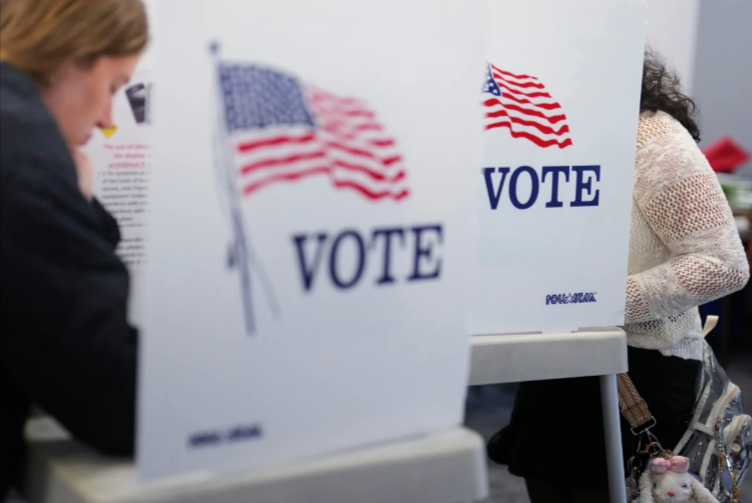
Voting is officially underway across all 50 U.S. states in the 2026 Midterm Elections, a pivotal national vote that will decide partisan control of the United States Congress for the remaining two years of President Donald Trump’s second term.
All 435 seats in the House of Representatives and 35 Senate seats are on the ballot, alongside 36 gubernatorial contests. Heading into Election Day, Democrats hold a aggregate 9-point advantage in generic congressional polling, seeking a net gain of three seats in the House and four seats in the Senate to capture full legislative control.
Voting Logistics and Early Disruption Reports
As polling places opened nationwide, several local operational issues surfaced across key battlegrounds:
- New York’s 17th Congressional District: In Westchester County, voting machine scanners experienced technical difficulties, forcing officials to collect paper ballots into secure lockboxes to ensure every vote is verified and counted.
- Florida & Colorado: Severe local flooding forced election supervisors to relocate at least 23 polling sites in Florida, while emergency electronic ballots were deployed for affected voters in central and western states.
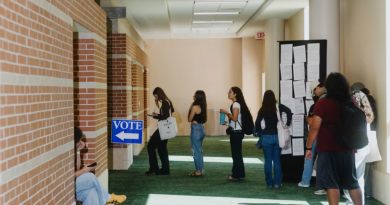
- Tarrant County, Texas: Long wait times exceeding two hours were recorded at several polling locations following decisions by county commissioners to reduce overall Election Day voting sites compared to 2022.
The U.S. Department of Justice (DOJ) announced that approximately 1,000 federal election monitors have been deployed across 126 jurisdictions in all 50 states to observe compliance and voting access.
The Iran War and Economic Headwinds
The election functions largely as a referendum on President Trump’s executive agenda, dominated heavily by domestic cost-of-living concerns and foreign policy developments.
Updated economic modeling from Moody’s Analytics reveals that the ongoing military conflict with Iran has imposed an average financial hit of $2,147 per American household. The economic fallout includes a $1,227 increase in family energy expenditures due to global fuel price surges, alongside elevated borrowing costs driven by recent Federal Reserve interest rate adjustments aimed at curbing war-linked inflation.
Redistricting and Senate Battlegrounds
The 2026 elections mark the first major federal test of newly redrawn congressional maps following mid-decade redistricting efforts in states such as Texas, Ohio, Florida, North Carolina, and California.
Key battleground Senate contests in Maine, Michigan, Ohio, Iowa, Kansas, and Texas will determine whether the Republican Party maintains its narrow upper-chamber majority or yields legislative oversight to Democrats. Official election certification is expected over the coming days as mail-in and provisional ballots undergo statutory counting across state election offices.