
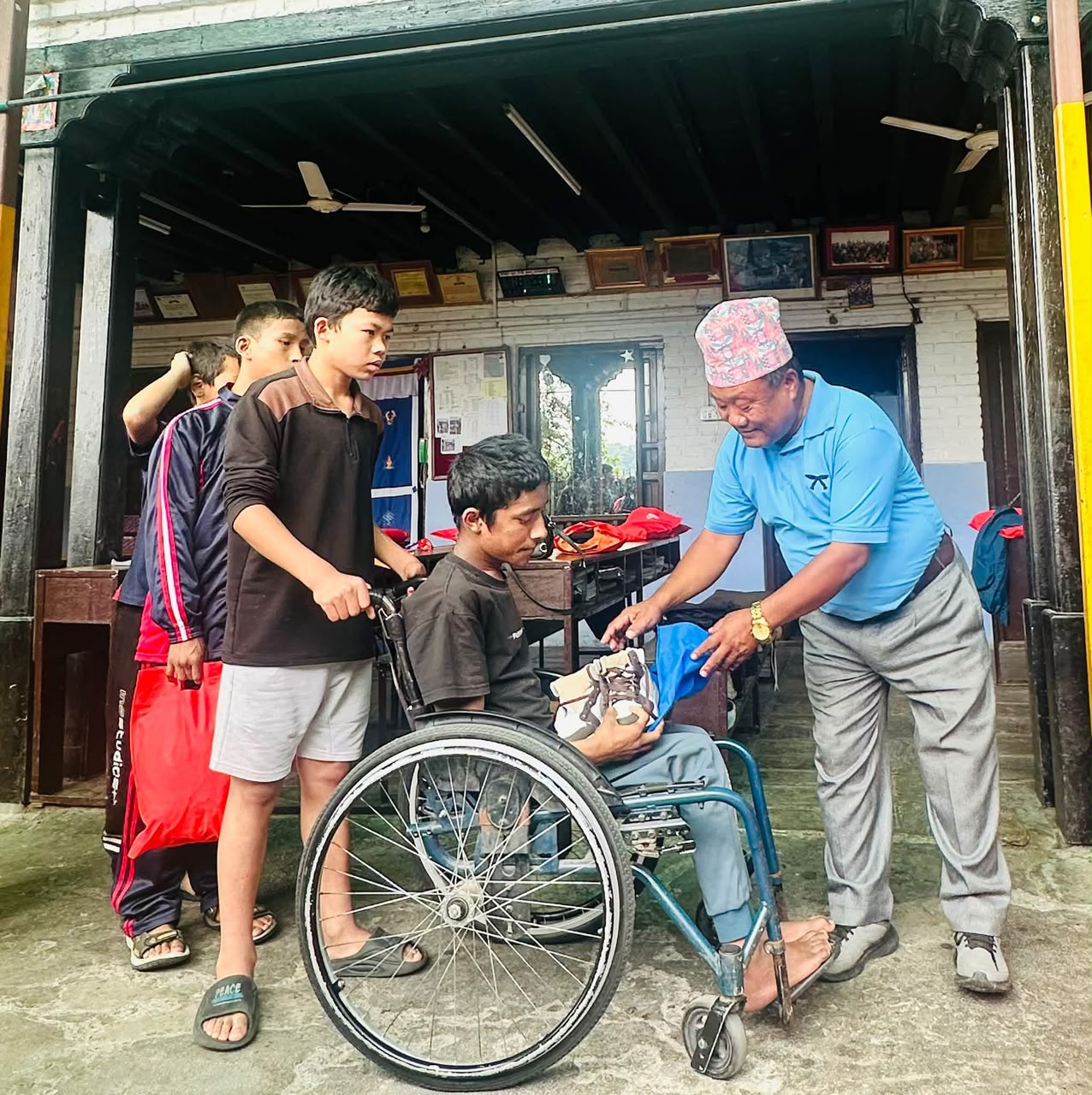
The Man Who Lost His Step to Become a Lifeline
By Ramesh Khatri | NewsDoko Special Features
KATHMANDU – In a quiet corner of Kathmandu, seventeen-year-old Harka Magar bends over a school notebook. He doesn’t hold his pen with his fingers. He doesn’t have any. Instead, he grips it firmly between his teeth, occasionally using a toe when his mouth grows tired.
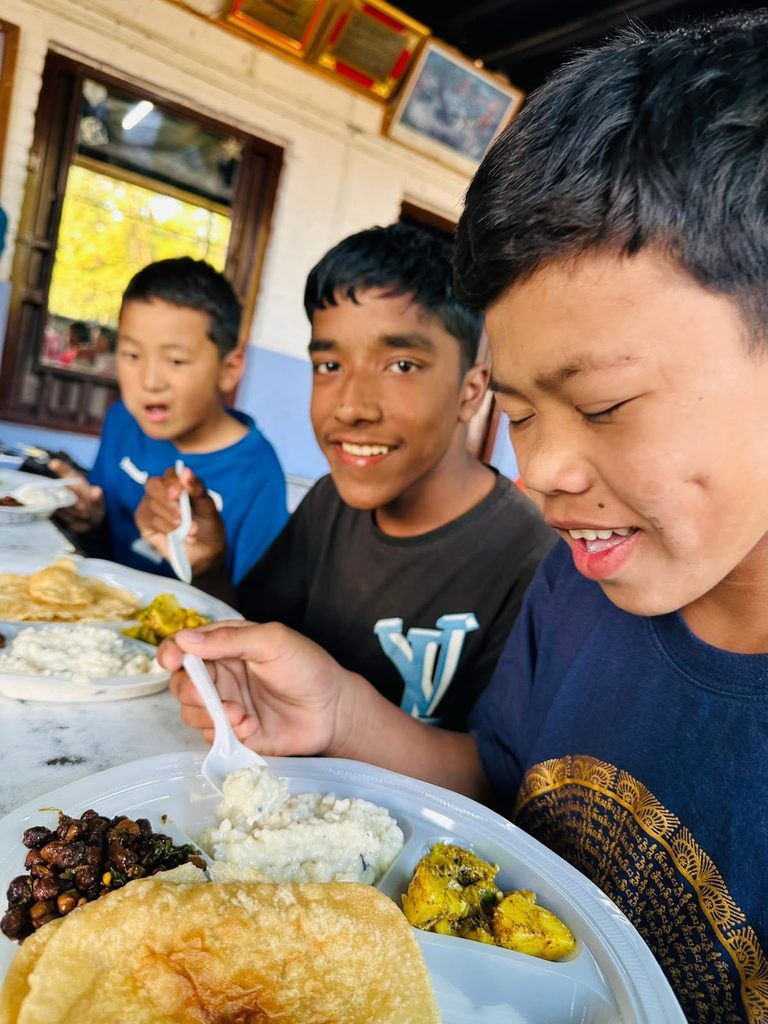
For the past eight years, this is how Harka has learned to write. And he is not alone. In this bustling shelter, children missing legs, arms, and the comfort of their own homes are learning that a lost limb does not mean a lost life.
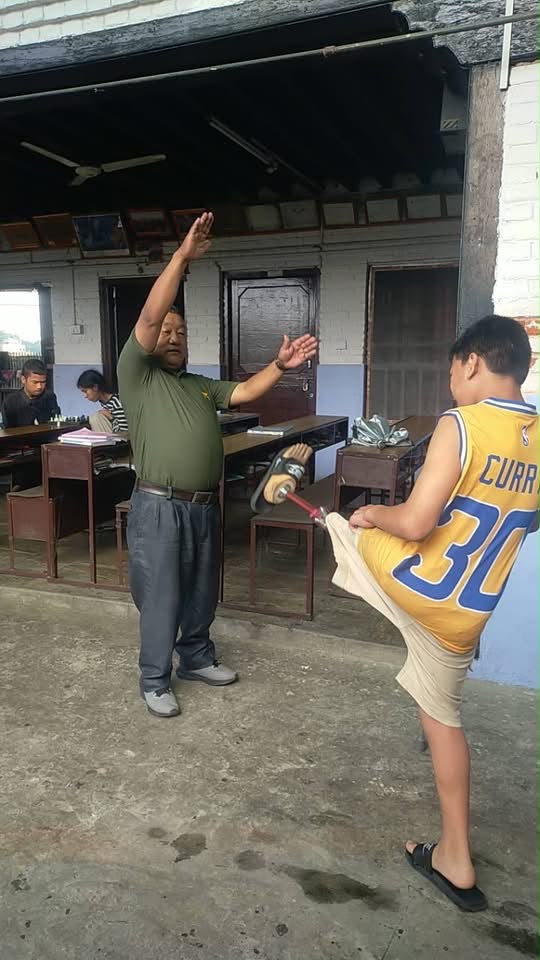
Behind this sanctuary stands Uday Bahadur Limbu—a man who understands the crushing weight of sudden despair better than anyone.
Born in 1988 in the hills of Dhankuta, Uday’s early ambitions were simple and clear-cut. Like many young men in his village, he dreamed of joining the British Army. He dropped out of school in the seventh grade, convinced that running fast and staying healthy were the only qualifications that mattered. He passed the rigorous physical trials and stood on the threshold of his dream.
Then, on August 21, 1988, the earth violently shook.
Caught on the upper floor of his family home during a major earthquake, Uday leaped in panic. He landed awkwardly on a wooden log, shattering his leg. The British Army medical team saved his life, but the injury required amputation. His military career vanished in an instant.
Back home, the sympathy of neighbors quickly curdled into pity. Unable to bear the whispers and the rugged mountain paths, Uday packed his bags for Kathmandu in 1995, determined to find out if other people lived with disabilities and survived.
Arriving in the capital, he made his way to Pashupatinath Temple. The sight of people with physical disabilities reduced to begging broke his heart. Standing there, Uday made a quiet vow: I will never beg. I will work with my own hands.
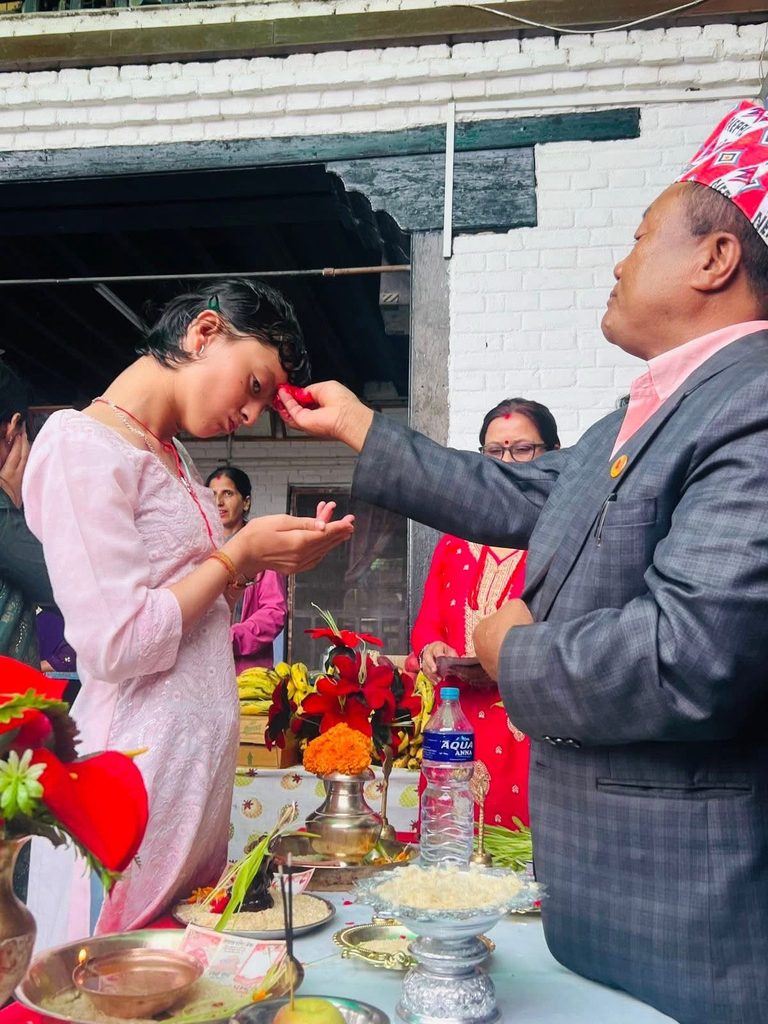
Finding shelter with an aunt in Boudha, he learned to weave carpets. It wasn’t much, but it was honest work. More importantly, it kept him off the streets.
Life shifted again when he crossed paths with former Speaker Daman Nath Dhungana. Encouraged by Dhungana’s mentorship, Uday decided to channel his personal pain into a mission for others. He began teaching basic skills to children living on the streets, many of whom had disabilities.
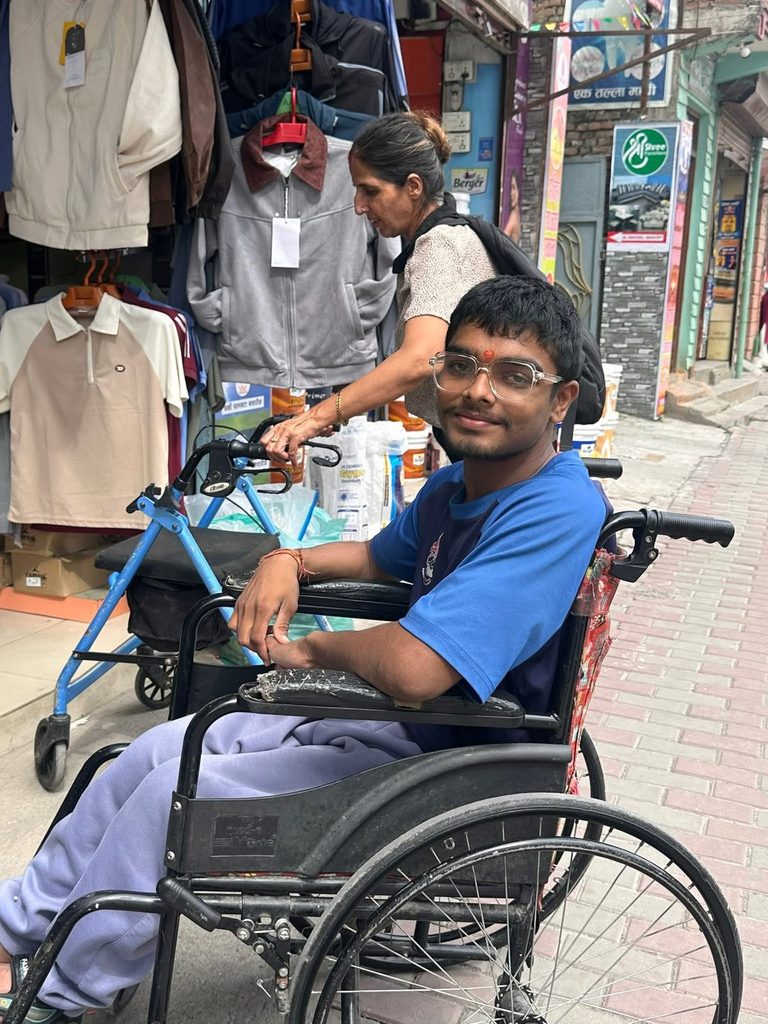
In May 2002, alongside a few dedicated friends, Uday officially established the Disabled Rehabilitation Center Nepal, taking in five children with disabilities who had been surviving on the streets.
Today, the center houses over 40 children and youth, offering them an education, artificial limbs, and a sense of dignity.
Among them is Harka, who lost both arms as a child when he touched a live electric wire while playing in his village in Baglung. Once cherished by his family, Harka suddenly found himself treated as a burden rather than a son. Relatives eventually brought him to Kathmandu to shed the responsibility. Today, Harka is a tenth-grader, a fierce athlete, and a young man with big dreams of serving society.
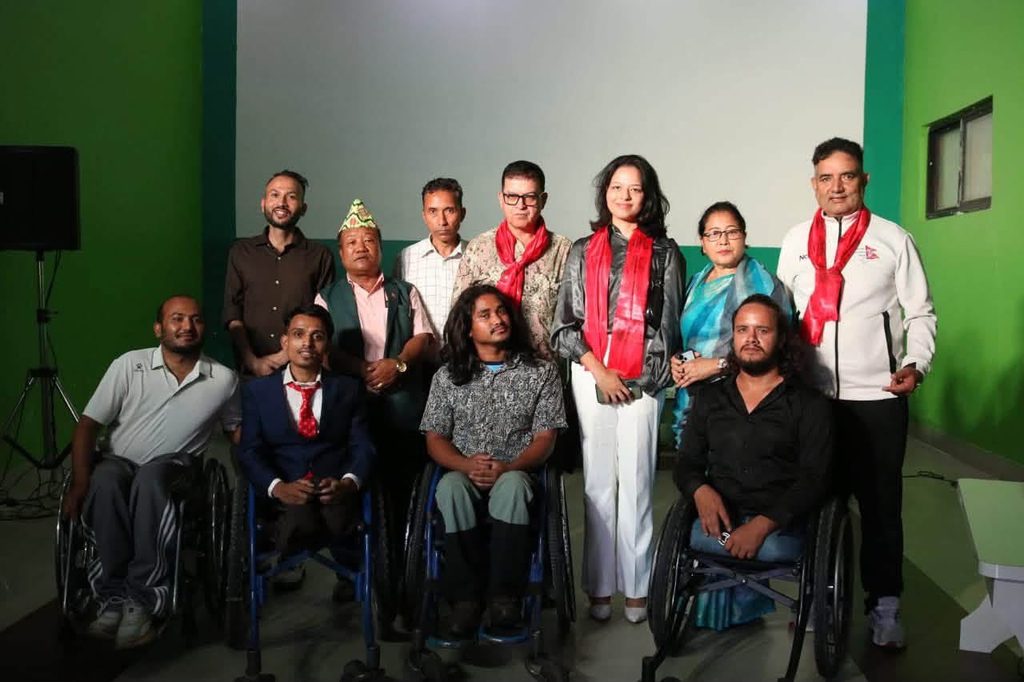
Then there is twelve-year-old Saily Tamang from Sindhupalchowk, who lost her leg in a childhood fire. Cast aside by relatives, she arrived at the center two years ago speaking only her native Tamang dialect and unable to care for herself. Today, equipped with an artificial leg, she chatters happily in Nepali, attends fourth grade at a local school, and radiates the joy of a second chance at childhood.
Uday sees his own redemption in their laughter. Though he once mourned the military career stolen by an earthquake, he now realizes his true calling was far greater.
“People with disabilities are often treated as though they aren’t even human,” Uday says softly, watching the children play in the courtyard. “I bring orphans and children with disabilities together under one roof so they can learn from each other. At first, the orphans are shy around them. Now, they help them without hesitation.”
Despite the progress, Uday remains a vocal advocate for accessibility, pointing out that public spaces and even restroom latches across Nepal are still routinely designed without a thought for wheelchair users or amputees.
Yet, as he watches Harka write with his teeth and Saily run on her prosthetic limb, Uday knows the ultimate victory isn’t changing the infrastructure overnight-it is teaching a broken child to stand tall in a world that tried to push them down.